
Mega Celestial Event
Geminids Meteor Shower 2026
December 14, 2026
Experience the celestial crown jewel of 2026 across India's darkest skies: 14–15 December 2026. Join StarGazing India at Madhya Pradesh Astro Villages, the White Rann of Kachchh, or the High-Altitude Dark Skies of Keylong (Himachal Pradesh) for 120–150 shooting stars per hour.
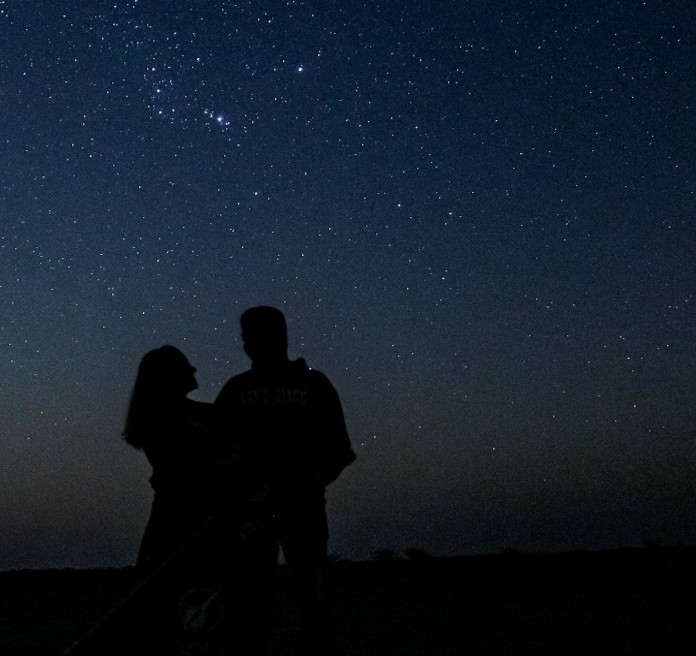
Geminids Meteor Shower 2026 – India Mega Observation Campaign
The Geminids are widely acclaimed by astronomers and sky enthusiasts as the most reliable, prolific, and radiant meteor shower of the entire astronomical calendar. Unlike most meteor showers which originate from icy comets, the Geminids originate from debris left behind by asteroid 3200 Phaethon. Because asteroidal material is denser and rockier, Geminid meteors burn brighter, travel at a moderate ~35 km/s, and produce prolonged multi-colored fireballs that streak gracefully across the winter sky.
At peak zenithal hourly rate (ZHR), observers in dark-sky conditions can witness between 120 to 150 shooting stars per hour.
Key Astronomical Details for India
| Parameter | Observation Details |
|---|---|
| Event Dates | 14–15 December 2026 (Peak Night) |
| Astronomical Peak | 14 December 2026, ~07:30 PM IST |
| Optimal Observation Window | 10:00 PM to 03:30 AM IST (when Gemini is high overhead) |
| Lunar Phase | Waxing Crescent (Sets early in the evening) — Yields pitch-black, pristine dark skies for midnight viewing! |
| Expected Zenithal Hourly Rate (ZHR) | 120 – 150 meteors / hour under Bortle 1–3 dark skies |
| Radiant Point | Constellation Gemini (near bright stars Castor and Pollux) |
3 Signature Destination Experiences
We have prepared three unique, destination-crafted stargazing experiences tailored to every kind of celestial traveler:
1. Madhya Pradesh – 6 Astro Villages
- Locations: Umaria (Ranchha), Betul (Bancha), Chhindwada (Dhusavani), Mandla/Jabalpur (Dhaba & Chhedka), Dhar (Gyanpura), Damoh (Richhkudi).
- Two Flexible Models:
- Option A (Full Experience): Village homestay / eco-camp accommodation, authentic local rural meals, community astronomy sessions, and all-night guided telescope observations.
- Option B (Night Observation Only): Dedicated all-night observation pass for independent travelers and nearby astronomy enthusiasts.
- Operating Partners: Dedicated desk and helpline with strict partner partitioning (StarGazing India & Ankur Electronics Corporation).
- 👉 Book MP Astro Village Experience
2. Kachchh, Gujarat – The Dark Sky Expedition
- Location: Nearby Bhuj, Kachchh (Location Disclosed After Registration).
- Atmosphere: Cosmic desert silence, pure horizons with zero light pollution, Bortle Class 2-3 darkness.
- Registration:
- Free Participant Pass: Open community observation pass for families and amateur sky-gazers (pre-registration mandatory due to capacity limits).
- Astro Volunteer Program: Application & review workflow for telescope owners, science educators, and amateur astronomers to lead public demonstrations and receive official certificates.
- 👉 Register for Kachchh / Volunteer
3. Keylong, Himachal Pradesh – Keylong Villa Alpine Experience
- Location: Keylong Villa, Lahaul Valley (10,000+ ft altitude).
- Atmosphere: Ultra-transparent Himalayan skies with Bortle Class 1-2 clarity, crisp winter air, and razor-sharp deep-sky views.
- Stay & Package:
- Exclusive heated boutique stay at Keylong Villa with electric blankets and private viewing terrace
- Authentic hot Himalayan dinner & morning breakfast
- All-night continuous observation with high-power optical & smart digital telescopes and certified guide
- Tariff: Dynamic tariff driven from Site Management (Mega Event rate or Full Night Event charge)
- Payment & Verification: Direct UPI / GPay manual verification with verified staff approvals.
- 👉 Reserve Keylong Villa Pass
What to Bring & Preparation
- Warm Layering: Sub-zero or near-freezing temperatures are expected in Keylong and desert cold in Kachchh and MP. Bring heavy thermal innerwear, windproof jackets, woollen caps, and insulated gloves.
- Red-Light Torches: Preserve night vision. White flashlights and phone screens degrade dark adaptation for up to 30 minutes. Red cellophane or red flashlights are required on the observation deck.
- Reclining Camp Chairs / Yoga Mats: The best way to view a meteor shower is lying comfortably on your back, taking in the full 180° expanse of the celestial dome.
- DSLR / Mirrorless Cameras: Wide-angle lens (14–24mm, f/2.8 or faster), sturdy tripod, and intervalometer for meteor time-lapse photography.